

Ear Wax Gallery
$$MultiPurposeText$$
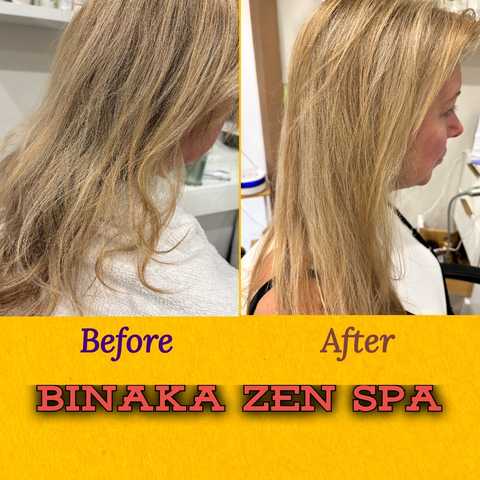
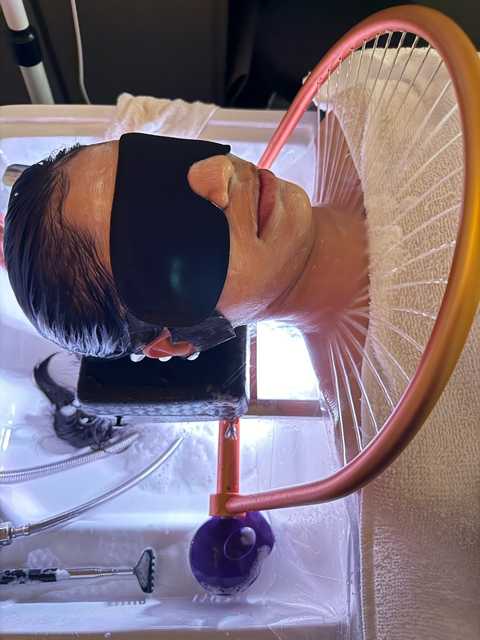
See examples of our Ear Wax work and results.






What Our Clients Say
$$MultiPurposeText$$
Read testimonials from our satisfied customers

Bina did an excellent job. As she is solo owner.i had a hydra facial ,Back facial,nose wa...more

...more
Frequently Asked Questions
Get answers to common questions about Ear Wax.
Most clients feel only a brief sting during hair removal; any discomfort usually subsides within minutes. Our technicians use gentle wax and calming techniques to minimize pain, and we offer extra soothing measures for particularly sensitive skin.
Scheduling every four to six weeks is typical, as waxing removes hair at the root. Individual regrowth varies, so your technician will recommend a personalized interval to keep your ears tidy and maintain smooth results.
Yes when performed by trained professionals who assess your skin beforehand. We avoid waxing over active infections, cuts, or severe eczema and use gentle products and aftercare to calm and protect sensitive skin.
Risk is low with proper technique and hygiene. Our sterile tools, quality wax, and trained staff minimize infection risk. Follow aftercare instructions and contact us if you notice persistent redness, swelling, or unusual symptoms.
Avoid swimming, saunas, intense exercise, and heavy sun exposure for 24 hours to reduce irritation and infection risk. Keep the area clean and dry and use recommended soothing products if needed.
Yes in most cases—piercings should be fully healed and free of infection. We may avoid waxing directly on fresh or irritated piercing sites and will protect jewelry as needed. Discuss your piercing history beforehand.
Read more about Ear Wax
$$MultiPurposeText$$
Explore our latest insights and guides on Ear Wax.

